The pressure’s real, isn’t it? Providers want apprentices to feel impact from day one, so the instinct is to pile in the teaching content straight away. Hit the ground running, prove value, show progress. It makes sense on paper. Then it meets week one: apprentices arrive not knowing how to juggle work and study, not knowing how they learn best, with no idea what their off-the-job hours look like week to week, because they vary depending on which unit they’re on. They’re drowning before they’ve even started.
Apprenticeships don’t work like school or university. A classroom is pedagogical: the teacher delivers, learners absorb. An apprenticeship is andragogical: learners direct themselves, draw on their workplace experience, and bring their own questions to the table. Front-load content without teaching apprentices how to learn this way and you’re asking them to swim in a different current without ever showing them how.
So the drift starts. Learners move through the course without seeing how it connects to their day-to-day, without knowing how to apply it to their role. Managers begin committed in months one and two, but without learners driving their own progress and goals there’s nothing keeping the apprenticeship front of mind, and it fades into business as usual. By month six, everyone has lost the thread of why they started. The national dropout rate is 38.1%, and in our experience most of those learners didn’t fail the content. They lost the thread.
Agency, ownership, and engagement: build these first
The fix is structure that puts ownership before content. A strong induction module teaches apprentices how to learn as independent practitioners, helps them understand their own learning style, gets them thinking about what they want from their development, and anchors all of it in a real workplace development plan. When learners own their goals from day one, when they’re networking within their organisation and thinking about their future rather than ticking boxes, they drive the conversation with their managers. That visibility and momentum hold. Coaches and learner progress reviews start from a strong footing because there’s direction and engagement running all the way through.
Fair warning: an induction module spends time you’d rather spend on teaching content, and for the first fortnight it looks slower. It is slower. It’s also the reason month six looks different.
Where a structured workshop comes in
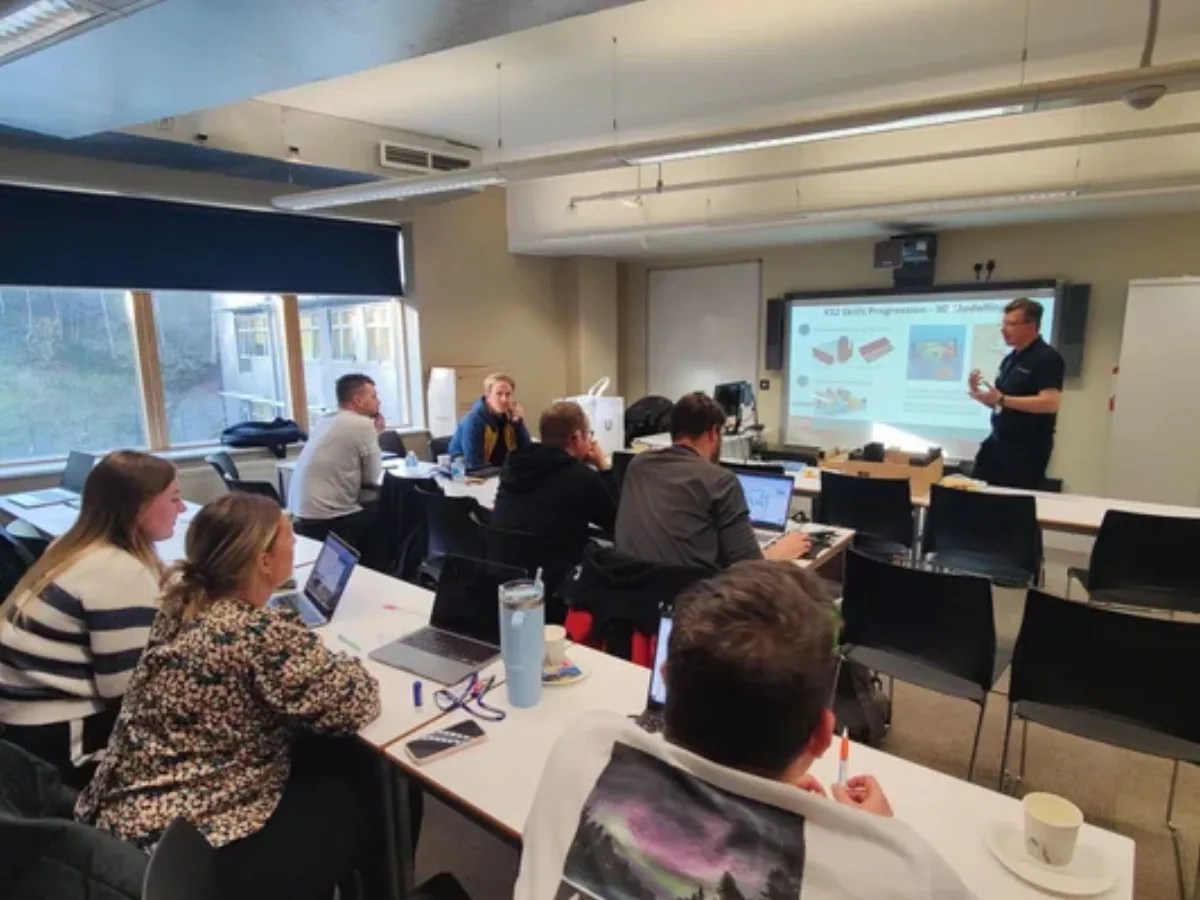
This is where a structured workshop makes the difference. It gives apprentices the tools to become self-directed learners, builds manager buy-in from the start, and sets the tone for the whole apprenticeship. Ours runs on a Miro board and is designed to be delivered by you or your team, or we can run it for you. Either way, it’s the foundation that turns front-loading into learning that sticks.
FAQs
More than policies and platform logins. A strong induction teaches apprentices how to learn independently, maps their learning style, sets development goals they own, explains how off-the-job hours vary unit to unit, and produces a workplace development plan their manager has seen and backed.
Usually not because the content is wrong. Learners who were never taught to connect learning to their role stop seeing the point, and managers who get no signal from the learner stop prioritising it. Engagement decays quietly from both ends, and by month six it reads as business as usual.
Pedagogy is teacher-led learning, the school model: content delivered, learners absorb. Andragogy is adult, self-directed learning: the learner draws on real work experience and drives their own development. Apprenticeships are andragogical, which is why apprentices need to be taught how to learn this way before content lands.
Either works. The workshop is built to be run by you or your team as part of your own induction, or Ruby Roo can deliver it for you. Ask us about learner workshops.

Kim Watts
Co-founder of Ruby Roo. Teaches at top-10 UK universities and designs apprenticeship curricula for a living.
Meet the team →